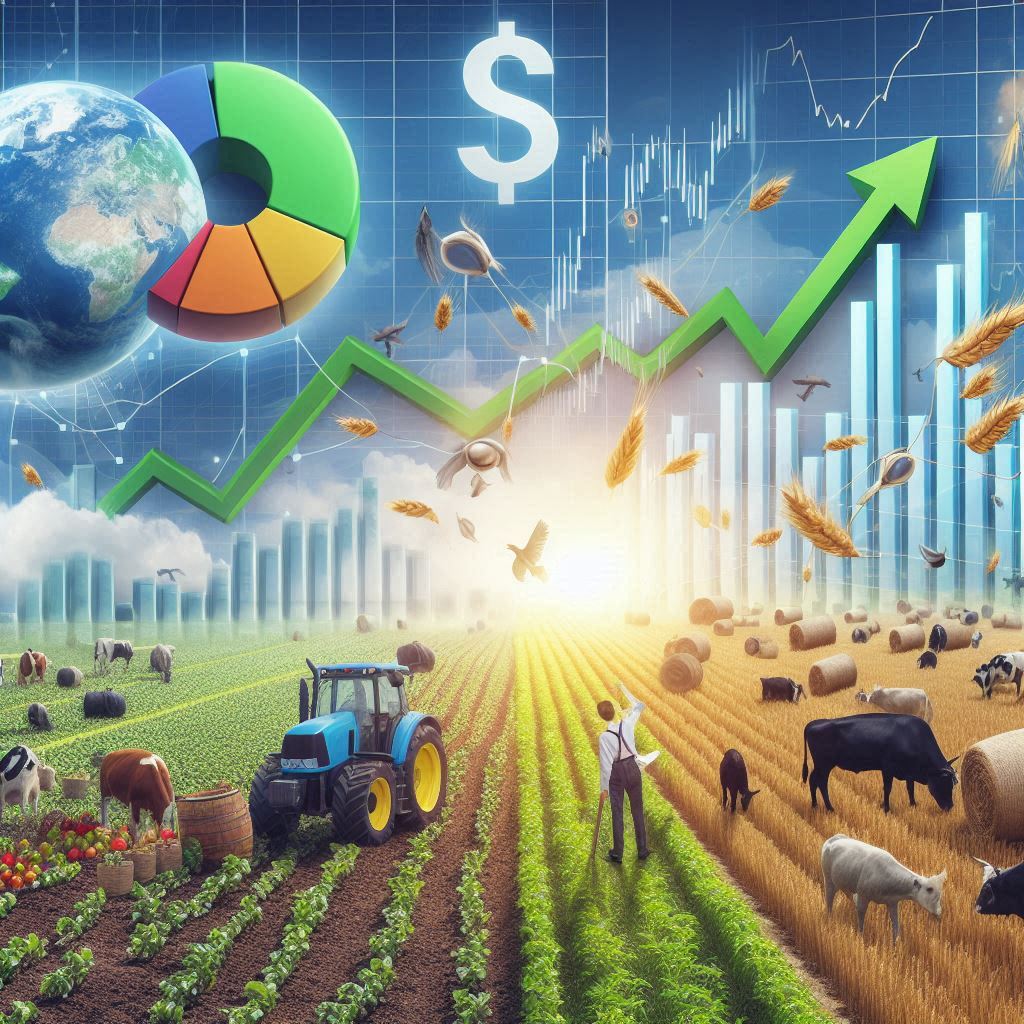
Having spent about two decades in the agriculture domain and simultaneously participating in stock markets, it is often the case that they have very similar outcomes.
1. Initial Investment:
- Agriculture:
- Seed Investment: Just as farmers invest in seeds, equipment, and labor, investors put capital into stocks or other financial instruments. The quality of seeds and farming techniques can greatly influence the yield.
- Stock Market:
- Capital Investment: Investors allocate funds into stocks, bonds, or mutual funds. The choice of stocks and the timing of investment can significantly impact returns.
2. Growth Period:
- Agriculture:
- Cultivation: Farmers nurture crops through watering, fertilizing, and protecting them from pests that is This is analogous to the continuous monitoring and management of an investment portfolio.
- Stock Market:
- Market Monitoring: Investors keep track of market trends, company performance, and economic indicators. They may rebalance their portfolio or make strategic decisions to optimize returns.
3. External Factors:
- Agriculture:
- Weather and Climate: Unpredictable weather conditions can affect crop yields. Drought, floods, or pests can ruin a harvest. Farmers often mitigate these risks through the diversification of crops or investing in crop insurance.
- Stock Market:
- Market Volatility: Economic recessions, political instability, and market sentiment can impact stock prices. Diversification and hedging strategies help investors manage these risks.
4. Harvesting:
- Agriculture:
- Yield: The culmination of the farming process is the harvest. A good season yields a bountiful crop, while a bad season might result in poor returns. The farmer decides when to harvest based on the maturity and condition of the crops.
- Stock Market:
- Returns: The “harvest” in stock market terms is the realization of returns, either through selling stocks at a profit, receiving dividends, or benefiting from capital gains. Timing is crucial, as selling too early or too late can affect the overall return.
5. Risks and Rewards:
- Agriculture:
- Risks: Farmers face risks like crop failure, price fluctuations, and market demand. Effective risk management through insurance, crop rotation, and diversification can mitigate some of these risks.
- Rewards: A successful harvest can lead to substantial profits, sufficient to cover costs and provide income for the next season.
- Stock Market:
- Risks: Investors face market risks, credit risks, and liquidity risks. Strategies like diversification, risk assessment, and using financial instruments like options can help manage these risks.
- Rewards: Successful investments can yield high returns, including appreciation in stock value and dividends, contributing to wealth accumulation.
6. Long-term Perspective:
- Agriculture:
- Sustainability: Farmers plan for the long term, ensuring soil health, crop rotation, and sustainable practices to maintain productivity over the years.
- Stock Market:
- Long-term Growth: Investors often adopt a long-term perspective, focusing on steady growth and compounding returns rather than short-term gains. This approach helps in weathering market fluctuations and achieving financial goals.
On the time horizon, farmers have long-term crops like investments and short-term ones analogous to trading on stock markets.
In essence, both agriculture and stock market investments involve initial capital allocation, continuous monitoring, risk management, and strategic decision-making to achieve desired returns. The analogy highlights the importance of careful planning, adaptability, and long-term thinking in both fields.
I am sure there are more similarities with reference to adoption of technologies, psychological behaviors, etc.


Leave a Reply