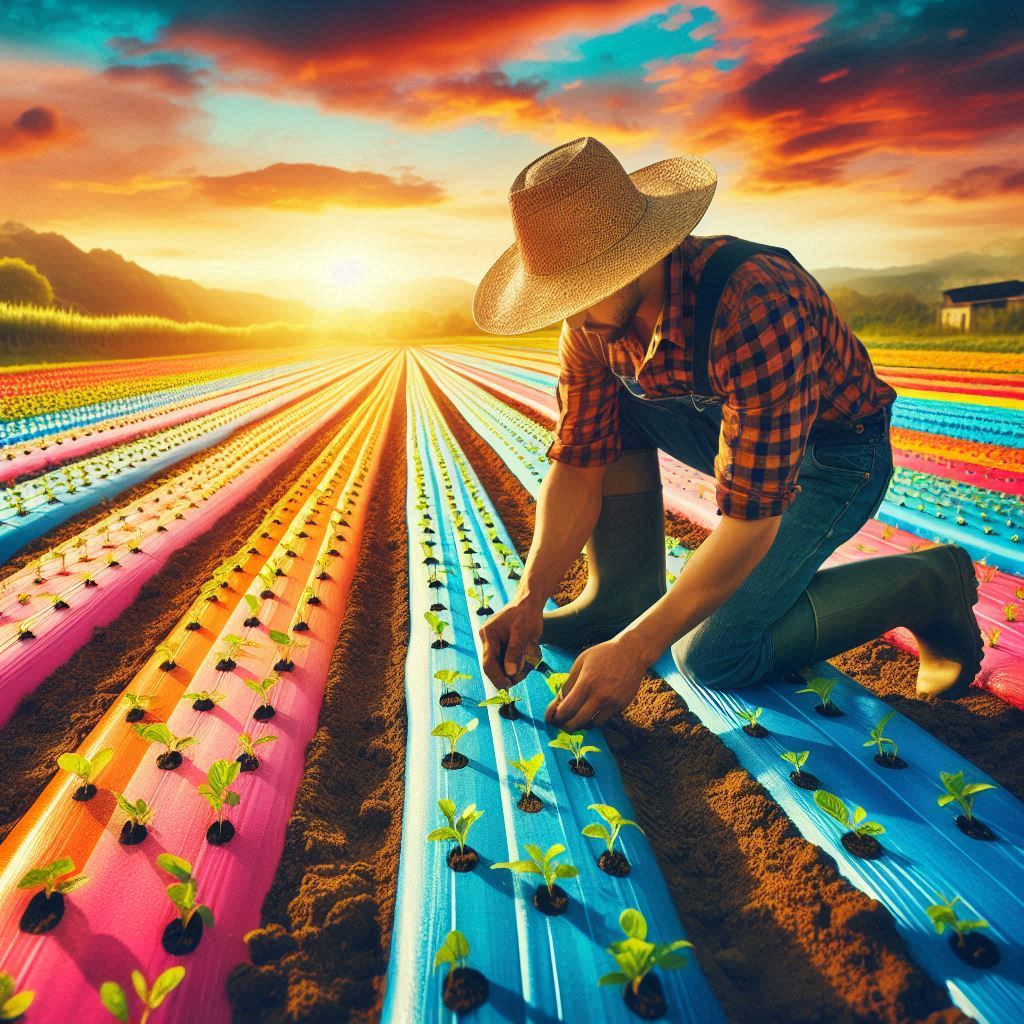
The use of plastics in agriculture, sometimes known as “plasticulture,” is becoming more and more problematic because of the effects it has on the environment. Agricultural productivity can be increased by using plastic products, but these products also pollute the environment and pose major risks.
Over 12.5 million tons of plastic was used in agriculture worldwide in 2018, up from 4.4 million tons in 2012. This is according to a report released by the FAO in 2021. Out of 359 million tons of plastic produced worldwide, 3.5% was used in agriculture. Even though India’s use of plastics in agriculture was relatively low until the past ten years, it has accelerated and now accounts for 23% of the country’s total plastic production.
A few examples of the different plastic materials used in agriculture are polymer coatings for fertilizers, fertilizer sacks, nursery pot trays, mulching films, shade and protective nets, drip irrigation pipes, irrigation drip tapes, support ties and clips like twines, hermetic storage bags, pesticide containers, reusable crates, etc. While some of these products are intended for long-term use, others, like mulching films, are meant for short-term use.
Here, I will discuss both the advantages and disadvantages of plastics in agriculture and offer some strategies for mitigation of the risks associated.
Benefits of Plastics in Agriculture
- Plastic mulch films are a useful tool for preserving soil moisture, controlling weed growth, and raising soil temperature. These benefits can increase crop yields.
- Tunnels and Greenhouses: Low tunnels and greenhouses, which provide controlled environments to extend growing seasons and protect crops from bad weather, are frequently covered with plastic.
- Water Efficiency: Plastic-based drip irrigation systems minimize waste and increase water efficiency.
- Packaging: By extending the shelf life of agricultural products, plastic packaging helps to cut down on food waste.
Environmental Issues
- Plastic Pollution: Discarded plastic products contribute to soil and water pollution. As bigger plastic particles break down, smaller ones called microplastics may end up in the food chain and be consumed by soil organisms.
- Non-biodegradability: Most plastics used in agriculture do not break down naturally, so they stay in the environment for a long time. This accumulation threatens both human health and ecosystems.
- Soil Health: Plastic residues may have an impact on the fertility and structure of the soil because they can impede natural processes.
- Aquatic life is also impacted by plastic waste because it can entangle or ingest it, harming or even killing it.
Strategies for Mitigation
- The development and application of biodegradable plastic alternatives can reduce the environmental impact. These substances decompose more quickly in the environment, reducing pollution over an extended period of time.
- Recycling Programs: Agricultural plastics recycling programs that are effective can help control waste and lower pollution. Entities like NGOs and private companies in Agriculture domain can take part in the drive to collect the plastic waste from the fields and recycle
- Novel Technologies: Studies on sustainable methods and substitute materials can produce breakthroughs that lessen the need for conventional plastics.
- Policy and Regulation: In order to encourage sustainable practices, governments can impose rules that limit the use and disposal of agricultural plastics.
Although plastics have many benefits for agriculture, there is a need to balance the growing use of plastics with environmental concerns. Effective legislation, innovative technologies, and sustainable practices are essential for reducing the damaging effects of plastics on the environment. In a rural setting, social startups have the chance to recycle at the grassroots level, improving both the environment and food security.


Leave a Reply