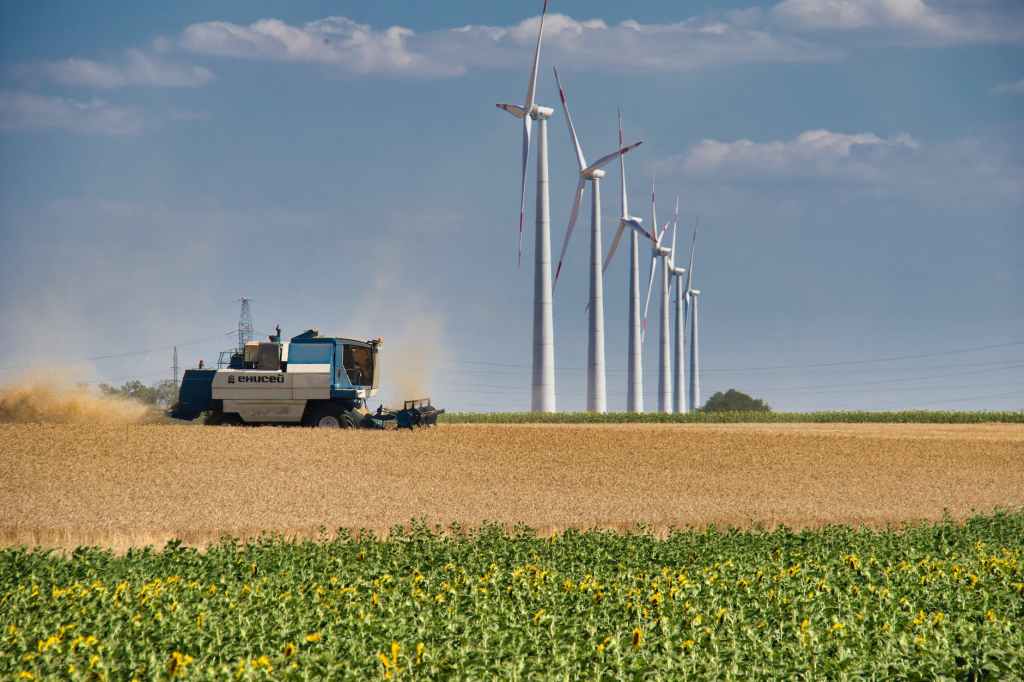
“The best investment on Earth is earth.” – Louis Glickman
In today’s world we are moving towards integrating technology in Agriculture fondly called “Agritech” by digitizing production, processing and value chains etc., Are we making them sustainable?
Agritech, the fusion of agriculture and technology, brings forth a transformative revolution in the agricultural industry by harnessing advanced technologies to foster sustainability. Through the integration of these innovative technologies, agritech empowers farmers to adopt more efficient and eco-friendly practices, effectively addressing the challenges faced by modern agriculture and paving the way for a greener and more sustainable future.
Technologies that foster Agriculture sustainable are Precision farming, Resource management, data analytics, online aggregators with Block chain technology, alternative farming techniques, and renewable energy integration.
This blog covers two factors in achieving Agriculture sustainability with the help of Agritech – Precision Farming and resource management
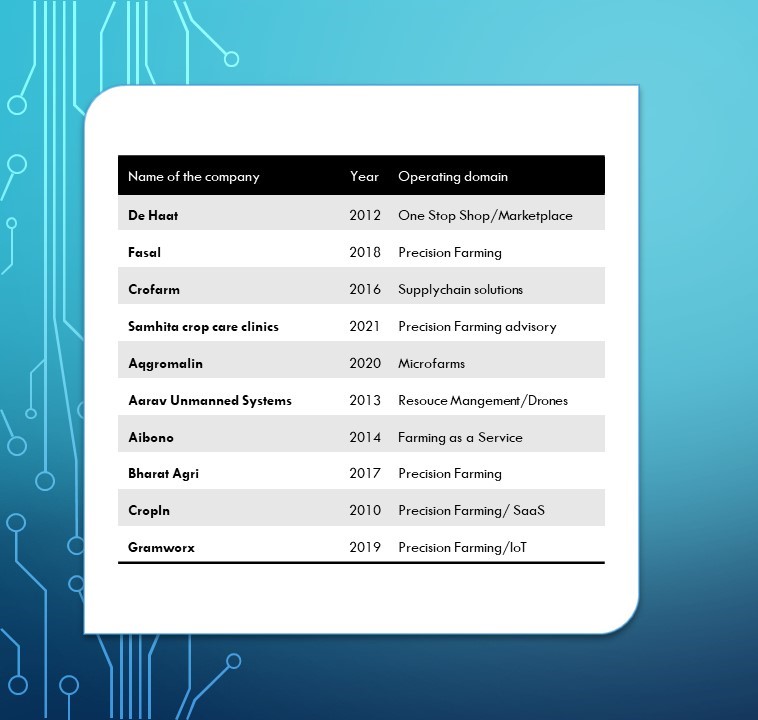
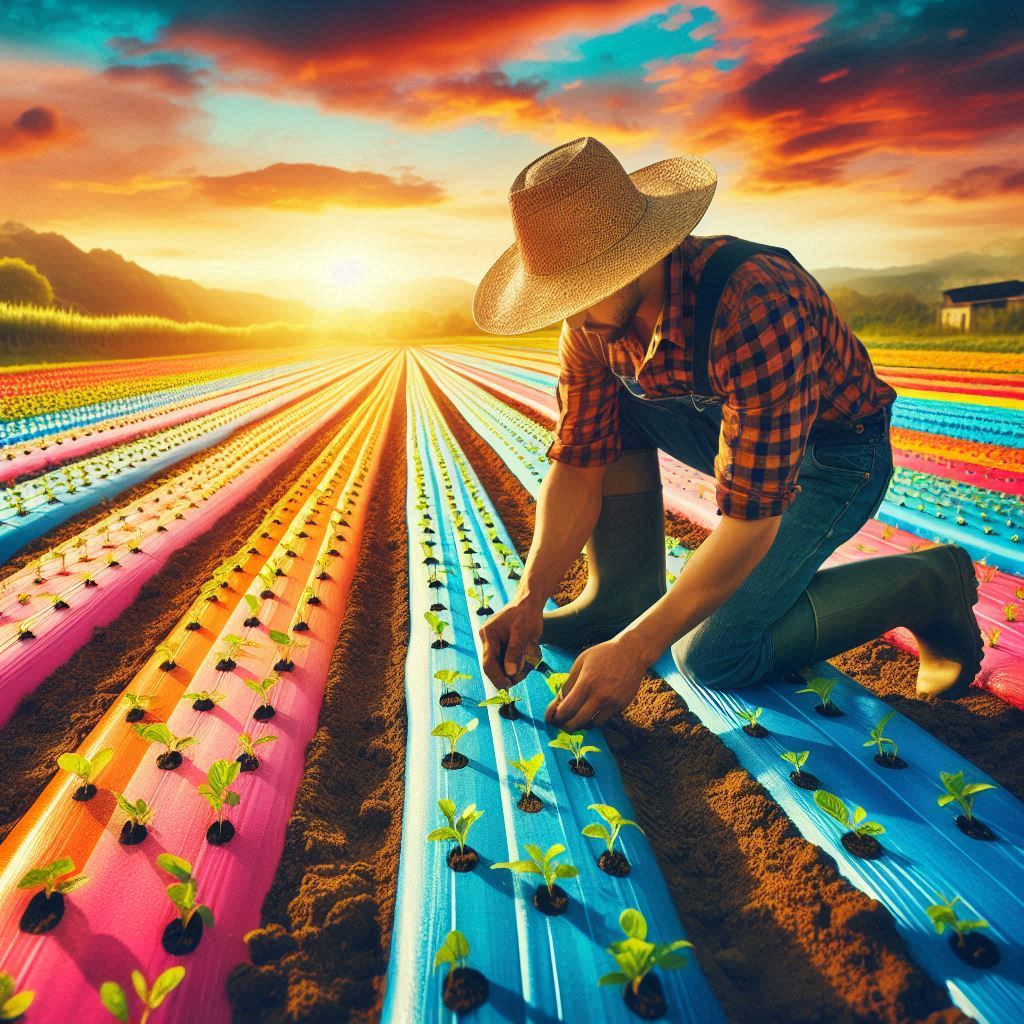
Precision farming stands as a cornerstone of Agritech. By utilizing GPS and IoT sensors, farmers gain valuable insights into their fields, allowing them to understand and cater to specific needs with unparalleled precision. This meticulous approach facilitates the application of precise amounts of water, fertilizers, and pesticides in each area, resulting in significant waste reduction and minimizing the overall environmental impact. This precision not only enhances productivity but also ensures that resources are utilized optimally, thus contributing to the overarching sustainability of farming practices. However, the
Technolgies that enable optimum water usage are drip irrigation and sprinkler irrigation, automated fertiligation systems and emerging technolgies like Robot assited irrigation. In 2022-23, of the 141 million hectares of gross sown area in the country, nearly 73 million hectares, or 52%, had irrigation access, up from 41% in 2016, according to updated data from Niti Aayog. Of which, An area of 78 lakh ha or 7.8 Million Ha has been covered under Micro Irrigation from 2015-16 to till date which is about 81% more than the area covered during pre-PDMC (Per drop More Crop) 8 years as per Department of Agriculture& Farmers Welfare (DA&FW)
Technolgies availble for application of Fertilizers are Fertigation systems, drones and GPS guided tractors while technolgies that assist in guiding the optimum fertilizers requirement for the plants are also availble such as soil sensors, yield monitoring and smart farming based Apps.
Pesticides are an useful component Agriculture to ward off insects and pathogens. While technologies available for pesticide efficient spreading include drone spraying, robotic and automated sprayers. The technologies that assist in recommending the pesticide application are Variable Rate Technology (VRT) to Adjusts the amount of pesticide applied in real-time based on GPS mapping and field data. Also, there are Soil and Plant Sensors to detect pest presence and crop health to optimize pesticide application.
However, there are also challenges to sustainability in Agritech:
- Energy Consumption: Some Agritech solutions can be energy-intensive, particularly those that rely on high-powered data centers and networks especially technolgies relied on Block Chain
- Access and Affordability: Small-scale and resource-poor farmers may not have access to Agritech, potentially widening the gap between large and small farming operations. India is an Agrarian country with average operational holding of 1.15 Ha for 85% of the total holding and are classified as Marginal holdings.
- Overreliance on Technology: There’s a risk of becoming too dependent on technology, which might lead to vulnerabilities if systems fail or are disrupted.
- Data Privacy and Security: The increase in data collection raises concerns about privacy and the potential misuse of farmer data.
- Environmental Impact: The production and disposal of technological equipment can have environmental consequences if not managed properly.
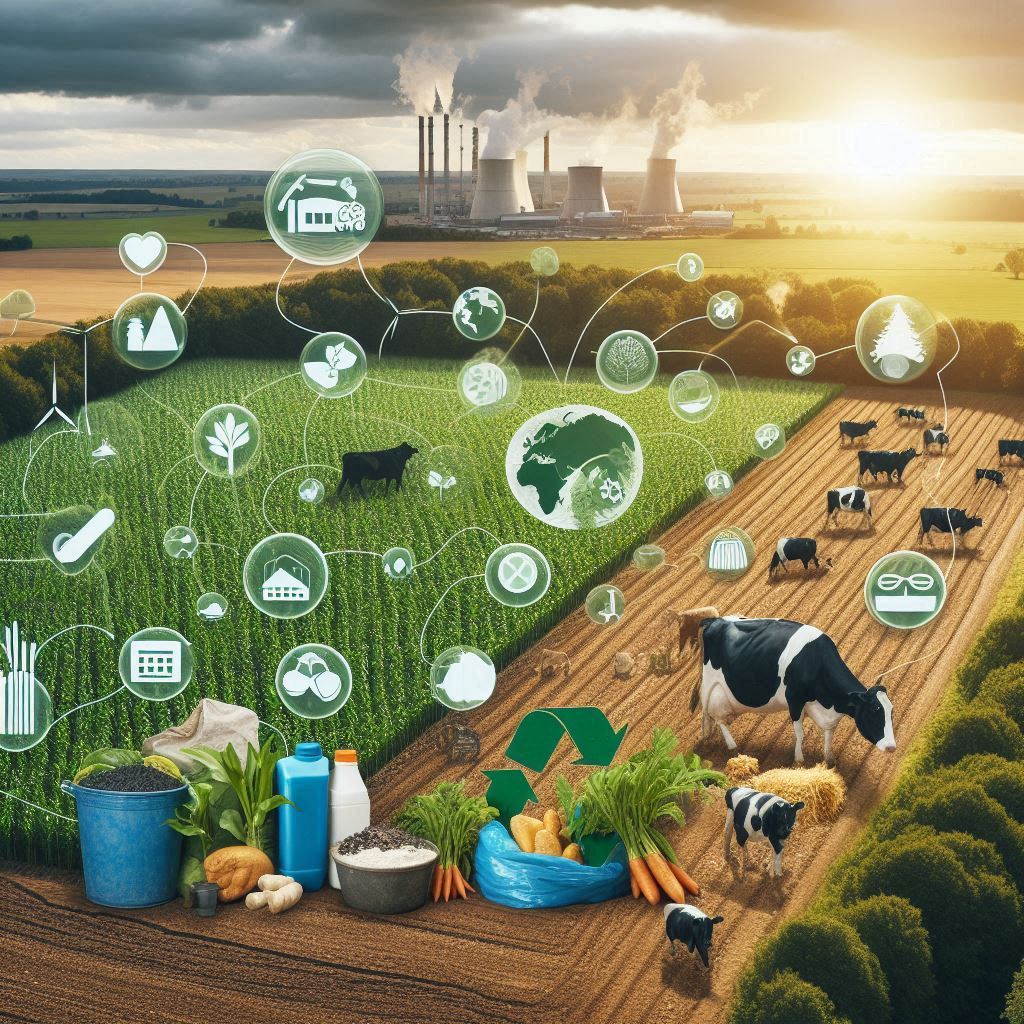
The sustainability of Agritech thus depends on how it’s implemented. It has the potential to make agriculture more sustainable if technologies are used responsibly, with a focus on reducing inputs and waste, and if they are accessible to farmers of all sizes. Balancing technological advancement with environmental stewardship, economic viability, and social equity is key to achieving sustainable Agritech.



Leave a Reply